
Browse 20 learning paths

AI learning path

AI Learning Paths & Courses

Choose a practical starting point, build a weekly practice rhythm, and learn AI without collecting courses you never finish.

For Beginners and career switchers

24 original lessons on ToolDix, roughly 539 minutes end to end

Start the course

Course outline

  1. 1Choose an AI Learning Path That Leads to PracticePick a learning scope that matches a real outcome instead of collecting courses and tools without a finish line.Beginner25 min
  2. 2Run a Four-Week AI Practice CycleTurn an AI topic into a compact learning sprint with weekly outputs, decision logs, and measurable rubrics.Beginner28 min
  3. 3Diagnose Your Current Skill Level Before Picking a CourseUse a three-axis self-assessment to avoid courses that are too basic or too advanced, matching resources to your actual starting point.Beginner22 min
  4. 4Audit a Course Syllabus Before You CommitUse a structured checklist to evaluate course quality, compare offerings side-by-side, and avoid common syllabus traps.Beginner26 min
  5. 5Tutorial Hell vs. Real LearningUnderstand why following tutorials without independent practice doesn't transfer, and use evidence-based techniques to break the cycle.Beginner24 min
  6. 6Assemble Your Own Curriculum from Scattered ResourcesCombine four complementary resource types into a coherent learning path, sequence them strategically, and adapt as you learn.Intermediate28 min
  7. 7Read a Research Paper in Three PassesLearn the three-pass method for efficiently reading AI research papers without getting lost in details.Intermediate25 min
  8. 8Reproduce a Paper's Results as a Learning ExerciseLearn how to reproduce a paper's core results to deepen understanding and develop debugging skills.Intermediate28 min
  9. 9Use Spaced Repetition to Retain Technical KnowledgeApply spaced repetition from cognitive science to durably learn AI/ML concepts, not just vocabulary.Beginner20 min
  10. 10The Feynman Technique for Debugging Your Own UnderstandingUse the Feynman Technique to identify gaps in your understanding by explaining concepts in plain language.Beginner18 min
  11. 11Balancing Depth and Breadth in Your Study PlanMake data-driven choices about when to go deep on one topic versus broad survey across many.Intermediate21 min
  12. 12Keep a Learning Log That Actually HelpsMove from bookmarks and scattered notes to a learning log that informs your study, interviews, and projects.Beginner17 min
  13. 13Closing the Transfer Gap: From Tutorial to Original WorkConcrete techniques to convert tutorial-following ability into transferable skill, bridging the gap between guided exercises and independent projects.Intermediate22 min
  14. 14Evaluate a New AI Tool Before Adopting ItA repeatable scorecard framework for deciding whether to invest learning time in a new AI tool, balancing capability, risk, and opportunity cost.Intermediate20 min
  15. 15Learning in Public Without Burning OutShare your learning journey in a way that builds accountability and feedback without the risks of overexposure, comparison spirals, or premature commitments.Beginner18 min
  16. 16Get the Most Out of a Cohort-Based CourseSpecific tactics for extracting value from paid cohort courses by leveraging peers, office hours, and project reviews—and how to judge whether cohort format fits your learning style.Beginner19 min
  17. 17Read the Docs First: A Habit for Faster LearningWhy consulting official documentation before tutorials leads to faster, more durable learning in a fast-moving field, with a worked example of a doc-first research session.Beginner17 min
  18. 18Know When You're Done With a CourseDefine explicit exit criteria before starting a course so you can leave partially-completed courses without guilt when they've served their purpose.Beginner16 min
  19. 19Turn a Learning Project into a Portfolio PieceTransform a plain learning exercise into a compelling portfolio artifact that shows reviewers how you think and solve problems.Intermediate24 min
  20. 20Prepare for AI/ML Interviews SystematicallyCover all four interview dimensions—theory, coding, applied case studies, and behavioral—without overloading any one area.Intermediate26 min
  21. 21Filter Signal from Noise in a Fast-Moving FieldPractical heuristics for deciding what new AI research, tools, and announcements deserve your attention versus what to ignore.Intermediate22 min
  22. 22Build Ethics Into Your Learning Habits, Not Just Your CodeIntegrate data provenance, bias, and misuse considerations into practice projects so ethics becomes automatic, not an afterthought.Intermediate21 min
  23. 23Give and Get Useful Feedback as You LearnAsk for specific feedback and give feedback to peers in ways that actually improve thinking, not just validate effort.Intermediate20 min
  24. 24Plan Your Next Six Months of AI LearningCombine everything from this course into a concrete roadmap with sequenced learning cycles, portfolio pieces, feedback loops, and a specific external goal.Advanced32 min

Optional, after the lessons

Further reading from primary sources

Published by other organizations and kept here for reference. The lessons above are the ToolDix course; these are where to go once you want the vendor's own documentation.

8 resources

Generative AI for Everyone by DeepLearning.AI
CourseBeginner

Generative AI for Everyone

DeepLearning.AI · Andrew Ng

A non-technical orientation to what generative AI can do, where it fails, and how teams can use it responsibly.

Time
5 hours · 32 videos
Author
Andrew Ng
capabilitieslimitsstrategy
Read the ToolDix guide
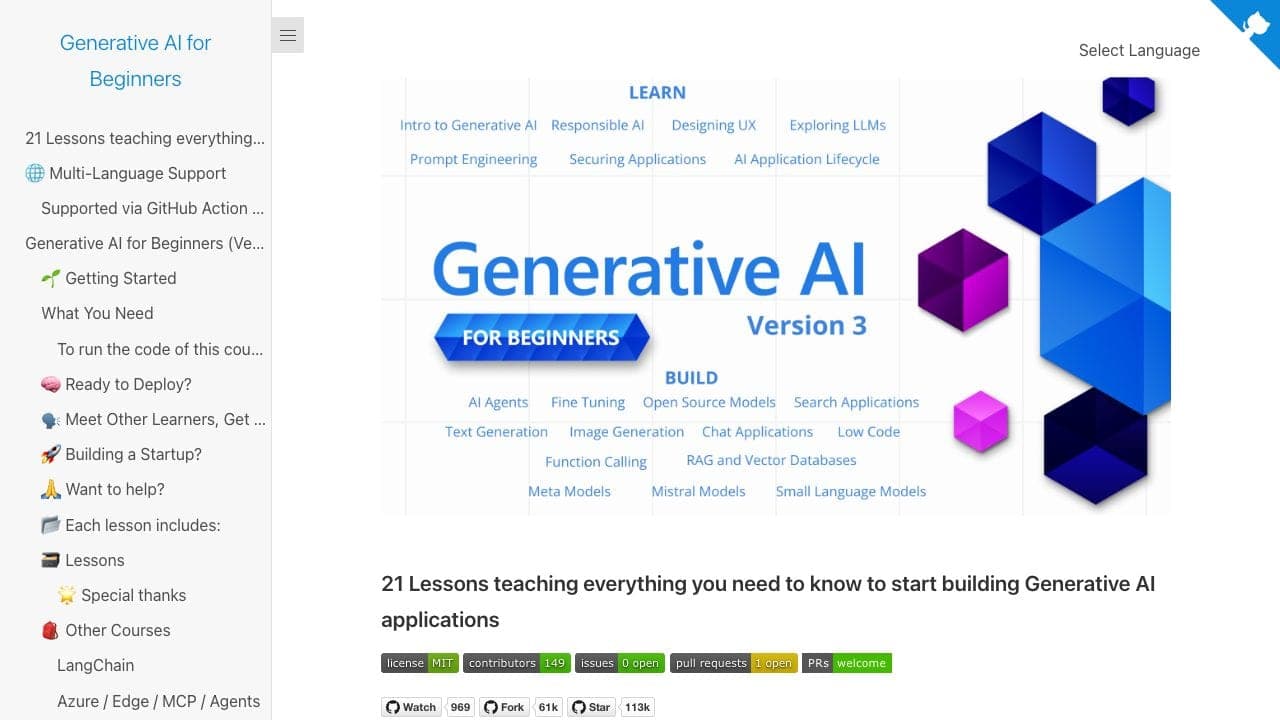
Generative AI for Beginners by Microsoft
CourseBeginner

Generative AI for Beginners

Microsoft

A structured, code-forward curriculum covering generative AI concepts and application building.

Time
21 lessons
application buildingresponsible AIpractice
Read the ToolDix guide
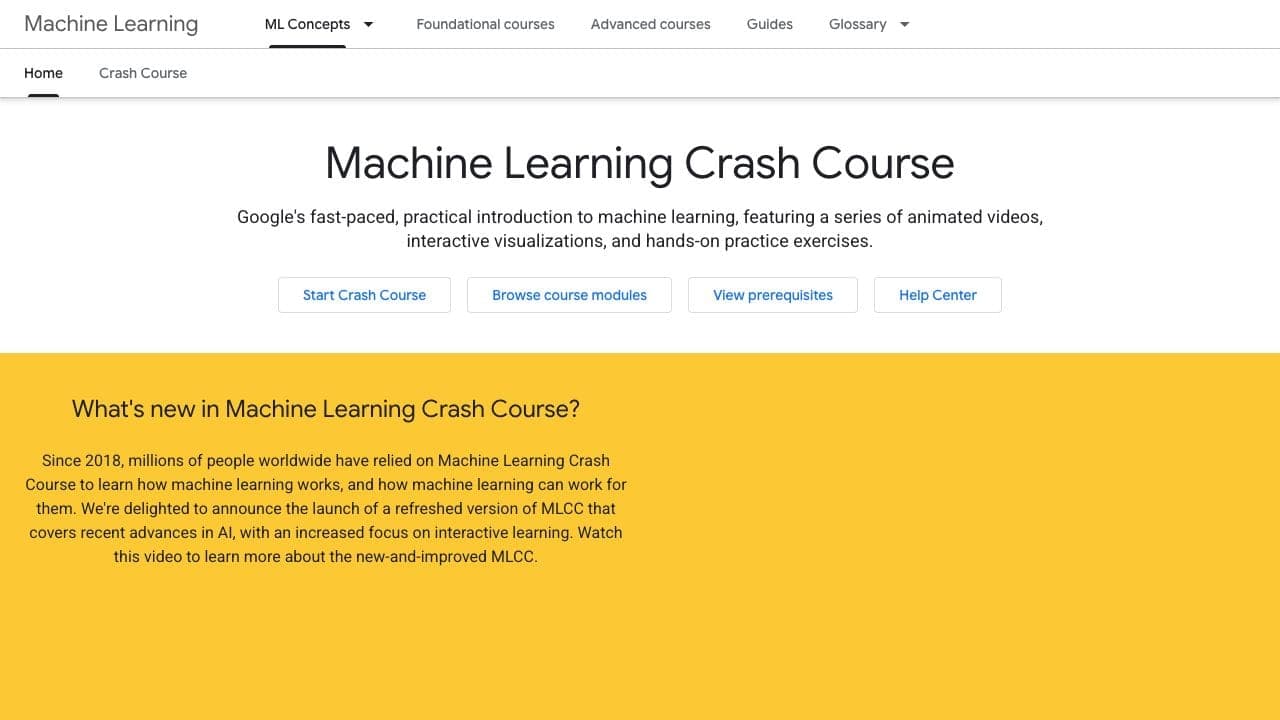
Machine Learning Crash Course by Google for Developers
CourseBeginner

Machine Learning Crash Course

Google for Developers

Interactive modules on models, data, embeddings, neural networks, and production considerations.

Time
Self-paced modules
modelsdataevaluation
Read the ToolDix guide
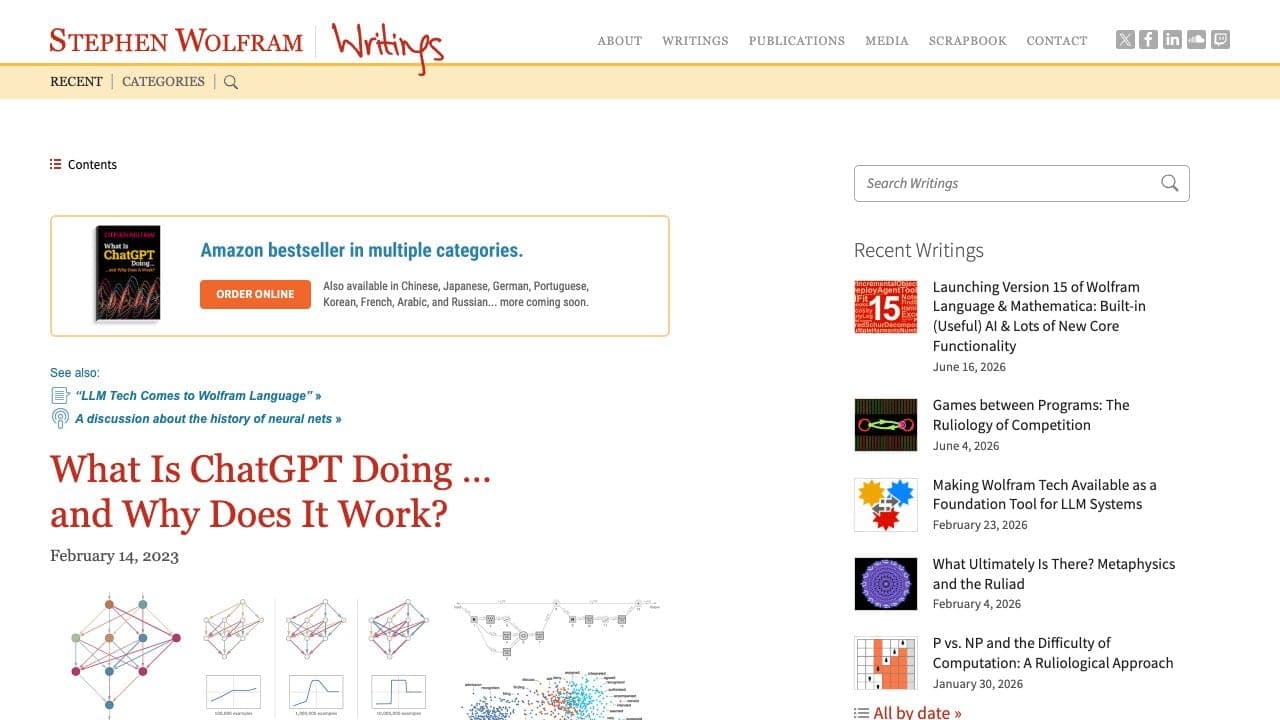
What Is ChatGPT Doing … and Why Does It Work? by Stephen Wolfram Writings
Classic readingIntermediate

What Is ChatGPT Doing … and Why Does It Work?

Stephen Wolfram Writings · Stephen Wolfram

A visual, long-form attempt to explain token prediction, neural networks, training, and why fluent output is not the same as grounded correctness.

Time
Long-form reading
Author
Stephen Wolfram
Published
Published 2023-02-14
tokensneural networkstraining
Read the ToolDix guide
Generative AI Explained by NVIDIA Deep Learning Institute
Video seriesBeginner

Generative AI Explained

NVIDIA Deep Learning Institute

A visual introduction to generative AI concepts and practical starting points from NVIDIA's learning platform.

Time
Self-paced overview
generative AIfoundationsapplications
Read the ToolDix guide
Problem Framing by Google for Developers
Hands-on labBeginner

Problem Framing

Google for Developers

A practical guide to deciding whether a real problem is suitable for machine learning before choosing a model or collecting data.

Time
Self-paced modules
problem framingproductdata
Read the ToolDix guide
Neural Networks: Zero to Hero by Andrej Karpathy
Video seriesIntermediate

Neural Networks: Zero to Hero

Andrej Karpathy · Andrej Karpathy

A creator-led programming series that builds neural-network concepts from small code examples upward.

Time
Video lecture series
Author
Andrej Karpathy
neural networksPythonLLMs
Read the ToolDix guide
Elements of AI by University of Helsinki & MinnaLearn
CourseBeginner

Elements of AI

University of Helsinki & MinnaLearn

A non-technical course that builds intuition for defining AI, search, probability, machine learning, neural networks, and societal impact through short readings and exercises.

Time
6 chapters · self-paced
AI foundationsprobabilitymachine learning
Read the ToolDix guide