
Multi-Agent Design and Authorization Boundaries
Use multiple agents only when responsibilities, permissions, and handoffs can be made clearer than a single workflow.
Learning objectives
- Choose between a workflow, a router, and a multi-agent system
- Define handoff payloads and least-privilege permissions
- Detect delegation loops and authority escalation
ToolDix original visual
Frame
Name the outcome and constraints.
Build
Try one bounded workflow.
Review
Keep evidence, revise, and share.
Prefer one workflow first
Multiple agents add routing errors, context loss, cost, latency, and new permission paths. Use them when specialized responsibilities have clear inputs and outputs, such as a retriever, a policy checker, and a formatter.
Handoffs are APIs
Pass a typed handoff object: task ID, user intent, evidence IDs, allowed next actions, and a completion criterion. Do not hand off unrestricted conversation history or hidden system instructions. The receiving agent must not gain broader permissions than the caller.
Authorization matrix
Create a matrix of agent roles by tool action: read, draft, approve, execute, and administer. Only application code can issue an approval capability. Log the actor, target, reason, and resulting state for every external action.
Practice: break the loop
Create a two-agent route with a maximum handoff count of two. Test an unclear task, unavailable tool, and conflicting instructions. Verify the system escalates to a user instead of delegating indefinitely.
Common mistake
Delegation does not reduce accountability; it increases the need for observability.
Sources and license context
These references informed the lesson. ToolDix adds its own explanation, workflow, and practice rather than reproducing source material.
- Building Effective Agents (Publisher terms apply)
Take it further
Use a primary source to deepen this lesson.
Each recommendation is a direct link to the publisher or author. The study prompt is ToolDix editorial guidance, not copied course content.
Hands-on lab
LLM Course
Complete the pipeline exercise, then write down what information disappears when text becomes tokens.
Open original source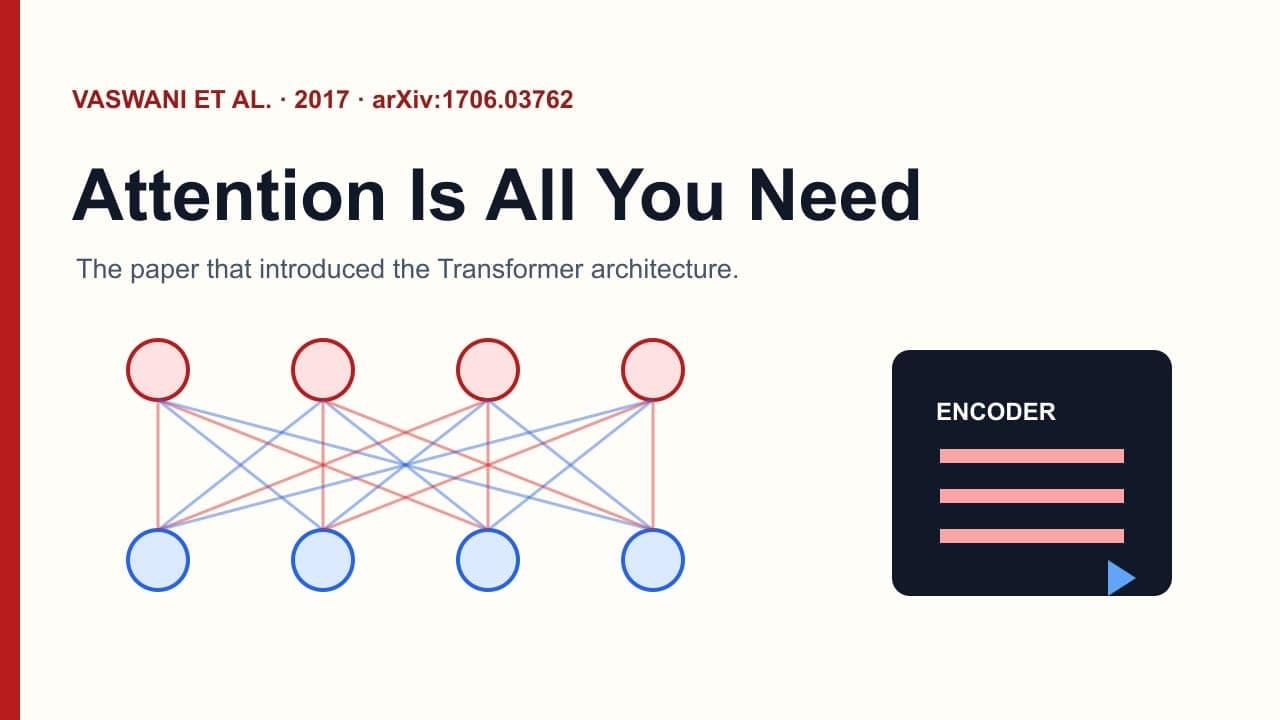
Classic reading
Attention Is All You Need
Read the abstract and architecture figure first; annotate what information flows between tokens.
Open original source
Course
AI Agents Course
Before using a framework, write down one tool contract and the exact state an agent is allowed to change.
Open original source